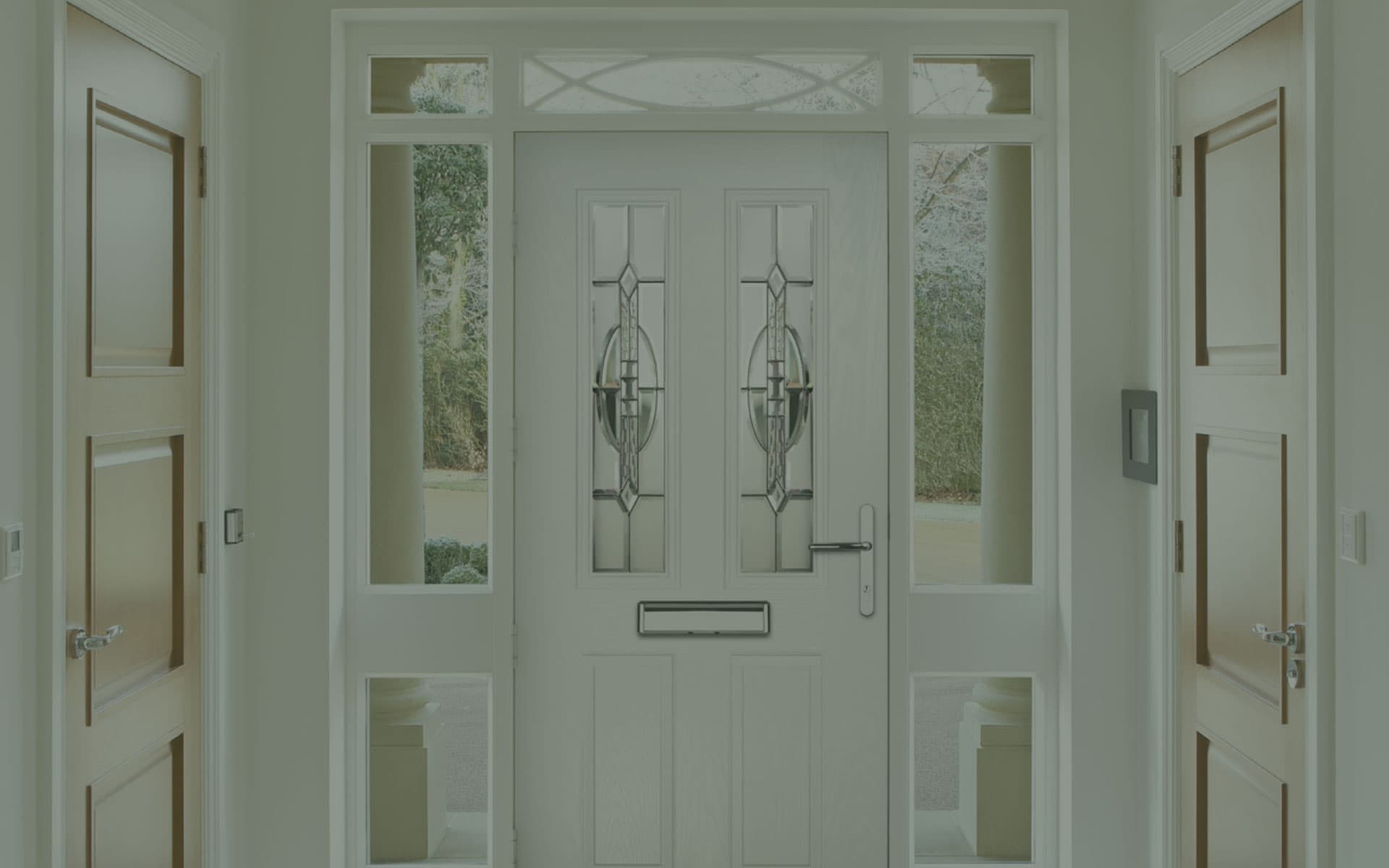
How Long Do Composite Doors Last?
Composite doors have become the most popular front door choice in the UK, and for good reason. They combine the look of timber with the durability of modern materials, and they outperform uPVC panel doors in virtually every measurable way. But how long do they actually last? In this guide we look at the realistic lifespan of a composite door, what affects it, and how to ensure yours lasts as long as possible.
Typical Lifespan
A well-made composite door should last a minimum of 30-35 years. Premium models with fibreglass monocoque construction — such as Palladio doors — often exceed this, with many expected to last 40 years or more before needing replacement. By comparison, a standard uPVC panel door typically lasts 15-20 years, and a timber door requires regular repainting and maintenance to reach 25-30 years.
The 30-35 year figure assumes reasonable maintenance and a quality installation. A cheap composite door from an unknown brand, poorly fitted, may last significantly less. As with most building products, the quality of the product and the installation are equally important.
What Affects Longevity
Several factors determine how long a composite door will last in practice:
- •Core material — solid timber and insulating composite cores are more dimensionally stable than simple expanded foam. Foam-core doors are prone to warping in extreme temperatures.
- •Outer skin — GRP (glass-reinforced plastic) is the standard, but fibreglass monocoque construction (as used by Palladio) is more rigid, UV-stable and resistant to cracking over time.
- •Hardware quality — hinges, locks and handles wear out faster than the door itself. Stainless steel or zinc alloy hardware lasts longer than plated steel. Budget hardware may need replacing after 10-15 years.
- •Installation quality — a poorly fitted door will let in draughts and moisture regardless of how good the door itself is. Correct frame alignment, sealing and threshold installation are critical.
- •Exposure — south-facing doors receive more UV radiation and thermal stress. Doors exposed to coastal salt air or severe weather will age faster than sheltered ones.
Maintenance
One of the biggest advantages of composite doors is how little maintenance they need. Unlike timber, they never need repainting or varnishing. A simple wipe-down with warm soapy water two or three times a year is all that's required to keep the door looking fresh. The rubber seals should be checked annually and wiped with silicone spray to keep them supple. Hinges and the locking mechanism benefit from a drop of light oil once a year.
Warranty: What to Look For
A manufacturer's warranty is your safety net and a good indicator of confidence in the product. Look for a warranty of at least 10 years that covers structural integrity, colour stability and hardware. Palladio offers a 12-year warranty; Dynamic offers 10 years. Be wary of any composite door with a warranty of less than 10 years — it often indicates a lower-grade product.
Check the small print carefully. Some warranties exclude colour fading on south-facing doors or don't cover hardware. A genuine warranty should cover the door as installed, not just the slab in isolation.
Signs It's Time to Replace
Even a quality composite door won't last forever. Signs that it's time for a replacement include: visible warping or bowing, draughts around the edges despite seal replacement, difficulty locking or unlocking, significant fading or chalking of the finish, and cracks in the skin or frame. If your door is showing two or more of these signs and is over 20 years old, a replacement is usually more cost-effective than repair.
Palladio & Dynamic: Built to Last
At Vitrum Solutions we install Palladio and Dynamic composite doors because they represent the best in durability, security and value. Palladio's monocoque fibreglass construction is the gold standard — it won't warp, fade or delaminate. Dynamic doors offer exceptional performance for the price, with a proven track record across thousands of UK installations. Both brands are backed by comprehensive warranties and we stand behind every installation with our own workmanship guarantee.
Frequently Asked Questions
How long do composite doors last?
A quality composite door will last 30-35 years as a minimum, with many lasting significantly longer. Premium brands like Palladio with monocoque fibreglass construction can last 40 years or more. The lifespan depends on the core material, skin quality, hardware and installation standard.
Do composite doors warp?
Quality composite doors are highly resistant to warping. Cheaper models with a foam core can warp in extreme heat, causing the door to stick or the seal to fail. Timber-core and fibreglass monocoque doors are far more dimensionally stable and virtually immune to warping under normal UK weather conditions.
Can composite doors be repaired?
Minor scratches and scuffs can usually be buffed out or touched up with colour-matched repair kits. Hardware components like handles, hinges and locks can be replaced individually without changing the whole door. Structural damage to the door slab itself is harder to repair, and in severe cases a replacement may be the better option.
Are composite doors worth the money?
Yes. Compared to uPVC panel doors, composite doors offer dramatically better security, insulation and kerb appeal. They last at least twice as long as a uPVC door and require virtually no maintenance. When you factor in the lifespan, a composite door often works out cheaper per year than a uPVC alternative.
Ready to upgrade your front door?
Request a Free Quote